Archives
- 2026-10
- 2026-09
- 2026-08
- 2026-07
- 2026-06
- 2026-05
- 2026-04
- 2026-03
- 2026-02
- 2026-01
- 2025-12
- 2025-11
- 2025-10
- 2025-09
- 2025-03
- 2025-02
- 2025-01
- 2024-12
- 2024-11
- 2024-10
- 2024-09
- 2024-08
- 2024-07
- 2024-06
- 2024-05
- 2024-04
- 2024-03
- 2024-02
- 2024-01
- 2023-12
- 2023-11
- 2023-10
- 2023-09
- 2023-08
- 2023-07
- 2023-06
- 2023-05
- 2023-04
- 2023-03
- 2023-02
- 2023-01
- 2022-12
- 2022-11
- 2022-10
- 2022-09
- 2022-08
- 2022-07
- 2022-06
- 2022-05
- 2022-04
- 2022-03
- 2022-02
- 2022-01
-
br Conclusion We have identified three non competitive
2022-11-17
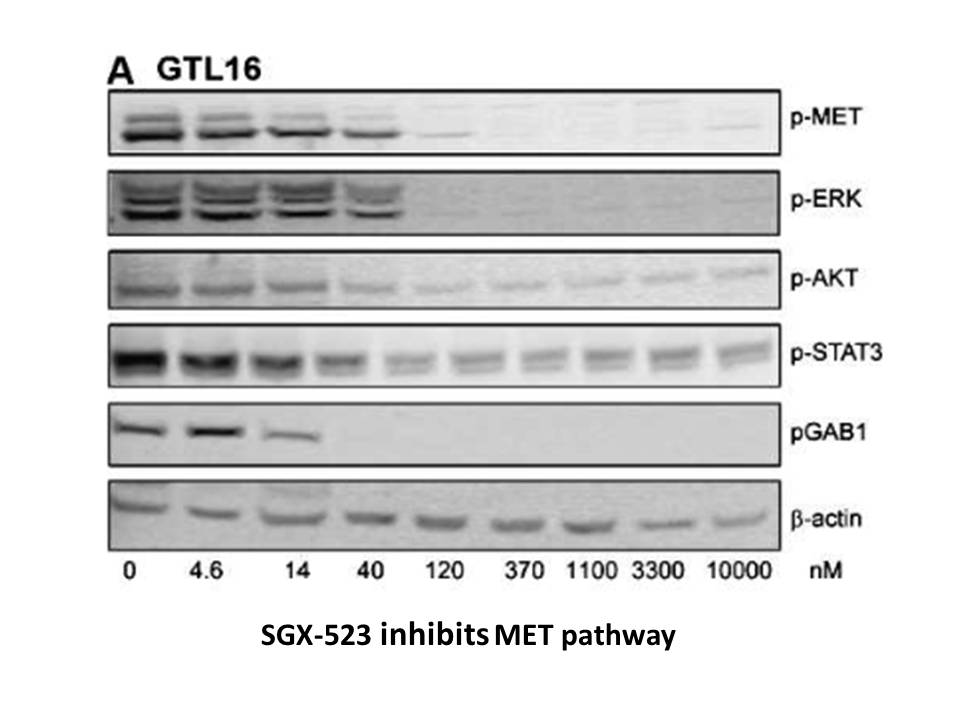
Conclusion We have identified three non-competitive inhibitors of the human and porcine APN with Ki values in the μM range, by combining virtual screening and kinetic assays. Molecular docking simulations suggest these novel inhibitors block APN activity by an alternative mechanism to Zn coordina
-
br ABCA modulates intracellular sphingolipid metabolism in
2022-11-17
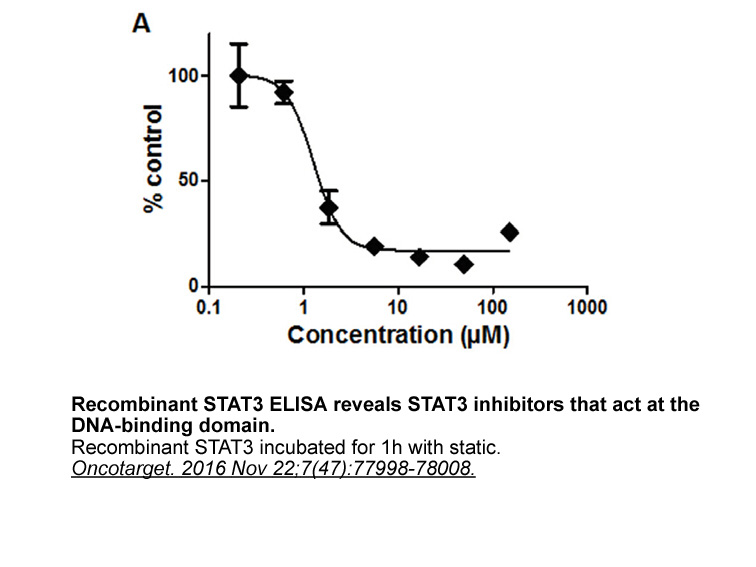
ABCA2 modulates intracellular sphingolipid metabolism in the LE/LY Recycling of plasma membrane lipids that occurs by constitutive endocytosis and vesicularization of complex glycolipids, complex sphingolipids and cholesterol as well as free cholesterol liberated from LDL after receptor-mediated
-
In eukaryotes class III ACs including GCs are almost
2022-11-17
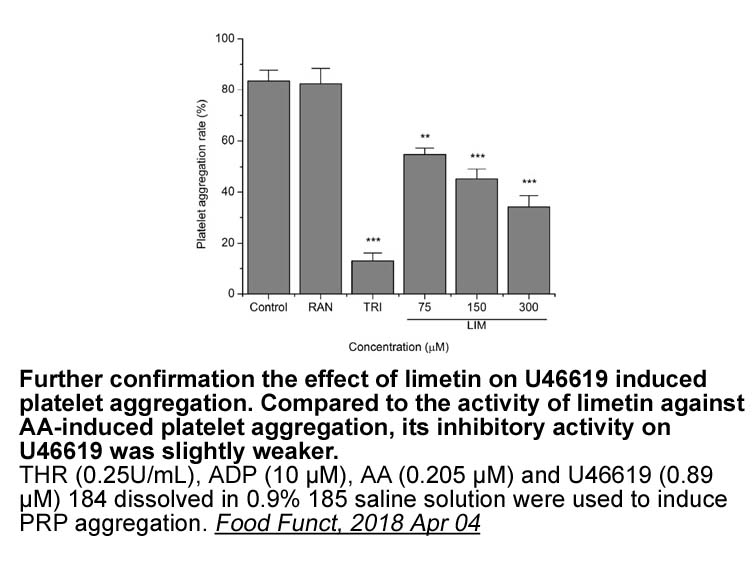
In eukaryotes, class III ACs (including GCs) are almost universally present, with the noteworthy exception of higher plants. Our dataset comprises 9690 sequences of class III nucleotide cyclases from 710 eukaryotic species. Approximately 80% thereof belong to subclass IIIa and 10% to subclasses IIIb
-
thz1 br Therapeutic advantages and clinical implications of
2022-11-17
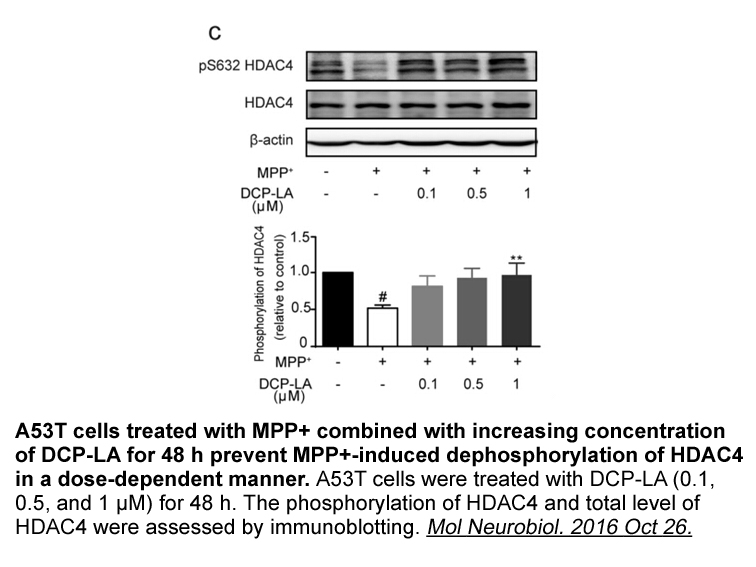
Therapeutic advantages and clinical implications of caffeine treatment in ROP The demonstration of the role of the adenosine receptor in development of ROP and protection by caffeine suggests two potential therapeutic strategies with high translational potential: a) modification of caffeine treat
-
REM sleep is proposed to create an
2022-11-16
REM sleep is proposed to create an environment to facilitate plasticity processes that create a generalized downregulation of synaptic strength (Grosmark et al., 2012; Tononi and Cirelli, 2014), while synapses are upregulated specifically by the reactivation of neuronal firing sequences experienced
-
Small kinase inhibitors have been developed to block AXL
2022-11-16

Small kinase inhibitors have been developed to block AXL by interacting with the kinase cytoplasmic ATP binding site. Up to date, no AXL selective kinase inhibitors are marketed. As depicted in , some marketed kinase inhibitors such as Bosutinib and Cabozantinib or kinase inhibitors in clinical pha
-
Pyrimidine is the important pharmacology
2022-11-15
Pyrimidine is the important pharmacology core in many Aurora inhibitors, such as VX-680, ENMD-2076, CYC-116 and ENMD-2076 [12]. To identify additional effective Aurora inhibitors, we designed a series of 2,4-diaminopyrimidine compounds, our modeling studies suggested that the Altiratinib core as wel
-
Aromatization of the pyrrole ring after anion capturing usin
2022-11-14
Aromatization of the pyrrole ring after anion capturing, using acceptor atoms with electron deficiency (B & Be), and substitution of strong electron withdrawing groups such as CN were three strategies used to design a new class of anion receptors. Comparison of the anion affinities of these anion re
-
In conclusion we report that the widely prescribed drug VPA
2022-11-14
In conclusion, we report that the widely prescribed drug VPA exerts therapeutic effects on optic nerve demyelination and retinal degeneration in a mouse model of MS. Our findings raise an interesting possibility that combination therapy of VPA and ASK1 inhibition may be useful for treatment of autoi
-
We demonstrated clearly that the
2022-11-14
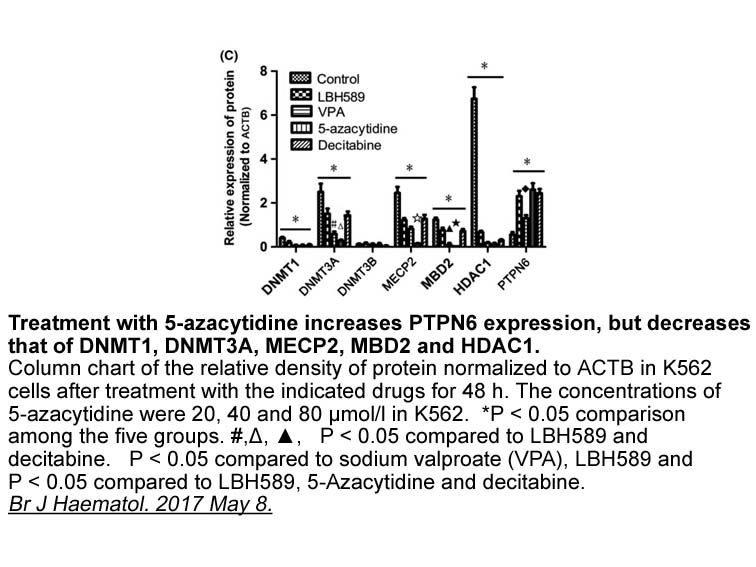
We demonstrated clearly that the overexpression of sFlt-1 significantly increased arginase p m x and enhanced arginase activity in HUVECs (Fig. 3). NO formation is related inversely to serum levels of sFlt-1 in preeclampsia [11]. The disorder of NO formation, which was involved in hypertension and
-
Elevated aminopeptidase activities were often detected in
2022-11-11
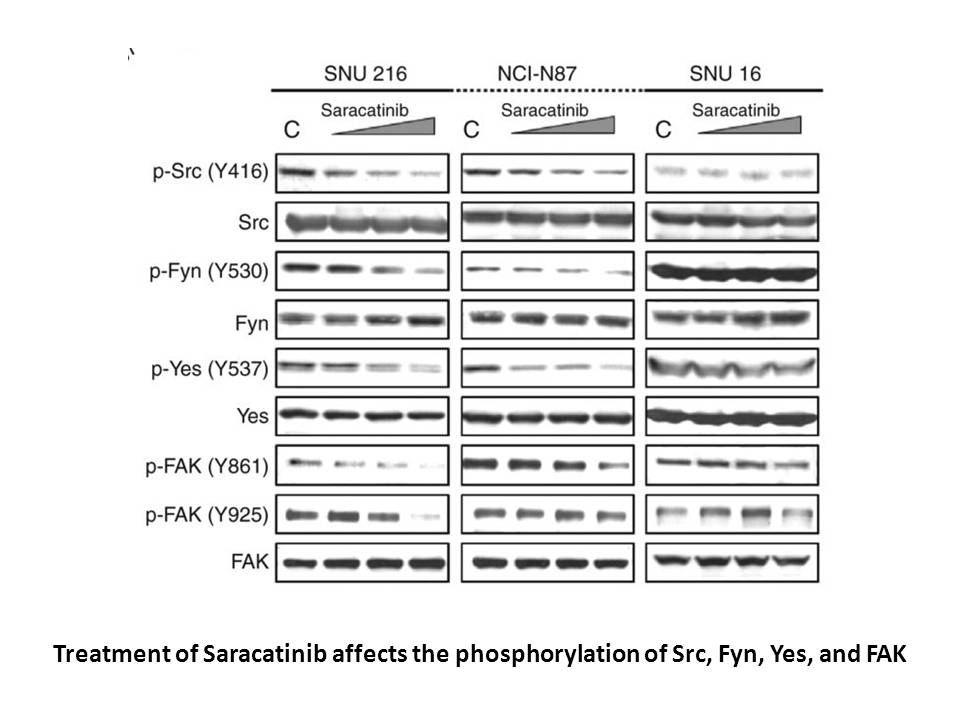
Elevated aminopeptidase activities were often detected in organs of plant with accelerated protein turnover, such as leaves and petals during senescence, fruits maturation or in germinating seeds [22]. Moreover, it was proven that these enzymes take part in defense responses [[23], [24], [25]]. Part
-
br Study approval br Author contributions
2022-11-11
Study approval Author contributions Conflicts of interest Acknowledgements This work was supported by grants of the Youth Backbone Program (to Jianming Ying) of Cancer Hospital, CAMS, Beijing, Beijing Hope Run Special Fund of Cancer Foundation of China (LC2015A06) and the National Natura
-
Synthesis of the pterin carboxamides was
2022-11-11
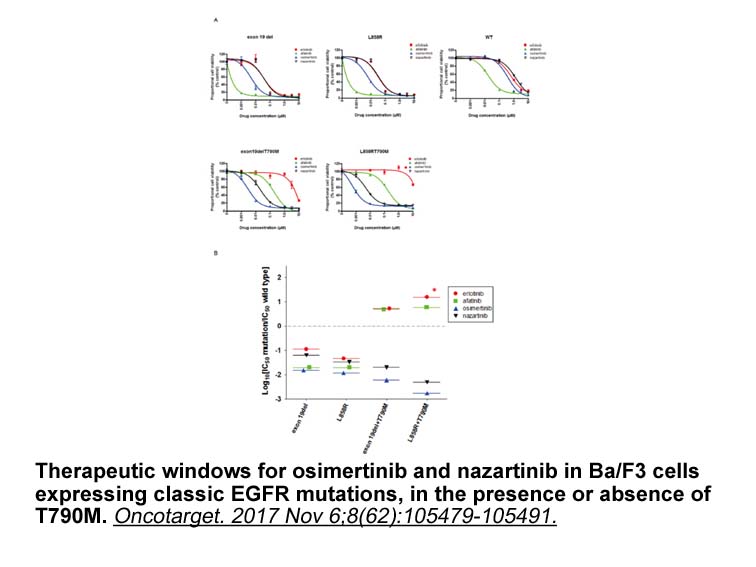
Synthesis of the pterin-7-carboxamides was achieved, as shown in , based on a previously reported method that utilizes DBU as a key additive to dissolve pterin in organic solvents and accelerate the reaction., With this method, the pterin-amino Phosphoramidon Disodium Salt conjugates (–) were readil
-
An important and well documented pathway involved in cellula
2022-11-10

An important and well-documented pathway involved in cellular growth and proliferation is the mTOR-mediated synthesis of proteins and lipids [7,13,14]. Although found to be tissue specific or context specific regulation, it has always been observed that either one or both the mTOR complexes regulate
-
br Funding This work was supported
2022-11-09
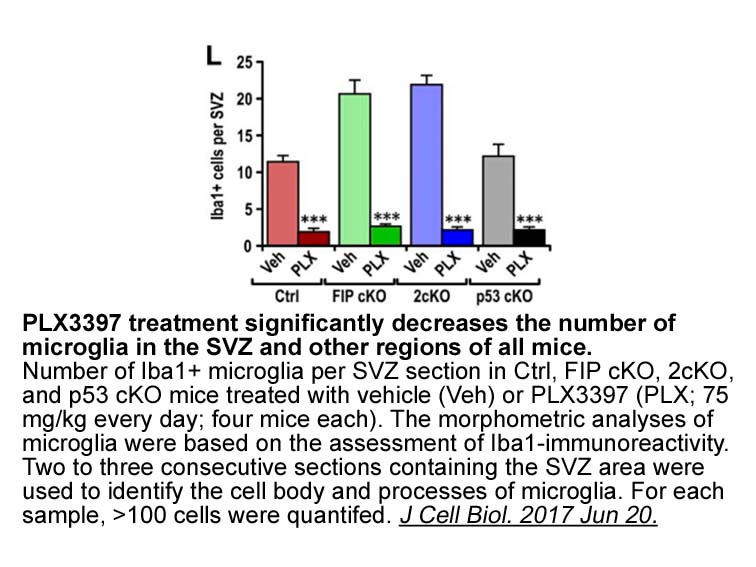
Funding This work was supported by Arena Pharmaceuticals, Inc, San Diego, CA, USA. Introduction 5-hydroxytryptamine 1B (5-HT1B) receptors are widely distributed in the central nervous system (CNS); they have various modulatory functions in drug reinforcement, appetitive behaviors, stress, moo
8612 records 417/575 page Previous Next First page 上5页 416417418419420 下5页 Last page