Archives
- 2026-06
- 2026-05
- 2026-04
- 2026-03
- 2026-02
- 2026-01
- 2025-12
- 2025-11
- 2025-10
- 2025-09
- 2025-03
- 2025-02
- 2025-01
- 2024-12
- 2024-11
- 2024-10
- 2024-09
- 2024-08
- 2024-07
- 2024-06
- 2024-05
- 2024-04
- 2024-03
- 2024-02
- 2024-01
- 2023-12
- 2023-11
- 2023-10
- 2023-09
- 2023-08
- 2023-07
- 2023-06
- 2023-05
- 2023-04
- 2023-03
- 2023-02
- 2023-01
- 2022-12
- 2022-11
- 2022-10
- 2022-09
- 2022-08
- 2022-07
- 2022-06
- 2022-05
- 2022-04
- 2022-03
- 2022-02
- 2022-01
- 2021-12
- 2021-11
- 2021-10
- 2021-09
- 2021-08
- 2021-07
- 2021-06
- 2021-05
- 2021-04
- 2021-03
- 2021-02
- 2021-01
- 2020-12
- 2020-11
- 2020-10
- 2020-09
- 2020-08
- 2020-07
- 2020-06
- 2020-05
- 2020-04
- 2020-03
- 2020-02
- 2020-01
- 2019-12
- 2019-11
- 2019-10
- 2019-09
- 2019-08
- 2019-07
- 2019-06
- 2019-05
- 2019-04
- 2018-11
- 2018-10
- 2018-07
-
Because of the important role of the DDB CUL B
2021-04-01
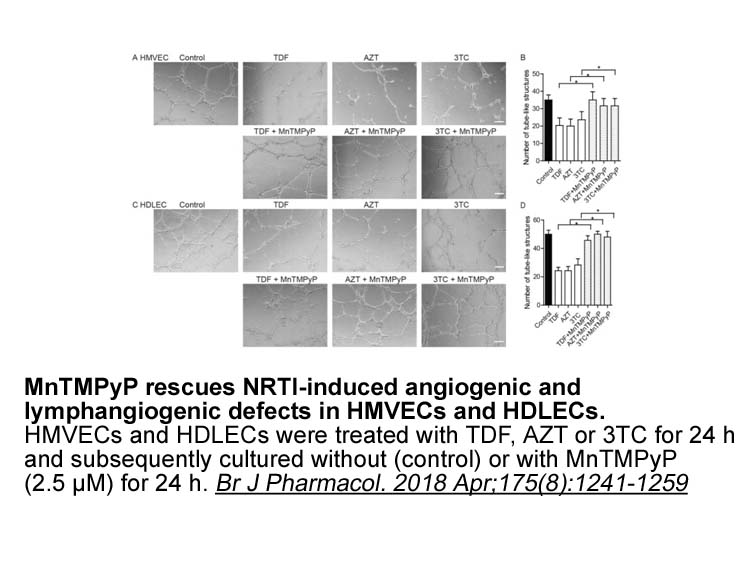
Because of the important role of the DDB1-CUL4B interaction for CUL4B-based E3 ligases, disruption of the DDB1-CUL4B interaction could be an effective approach to treat cancer. Therefore, we developed an in vitro HTS assay based on yeast cell growth inhibition to identify compounds that could disrup
-
Tailoring pharmacological treatment to the genetic backgroun
2021-04-01
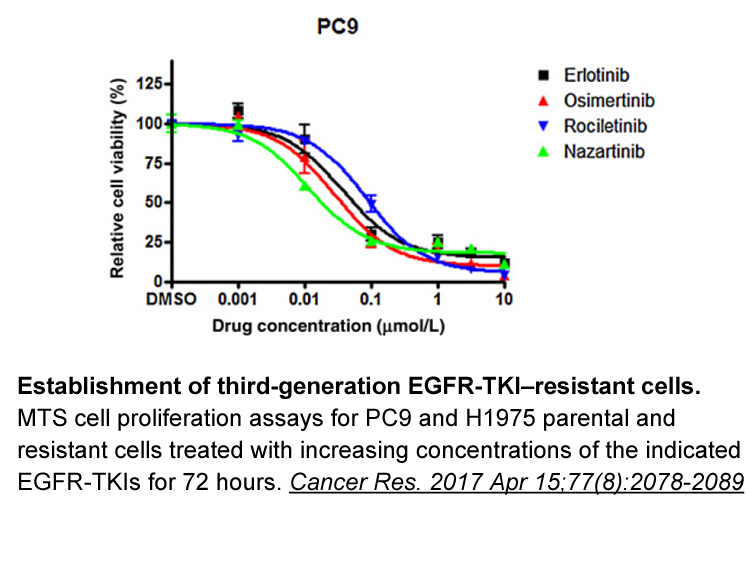
Tailoring pharmacological treatment to the genetic background of a person can enhance therapeutic response (), increase compliance (), and decrease drug toxicity (, , ). Because cocaine addiction has a strong genetic basis, with the vulnerability to develop an addiction estimated to be as high as 72
-
Mammalian cells have two distinct DNA repair pathways
2021-04-01
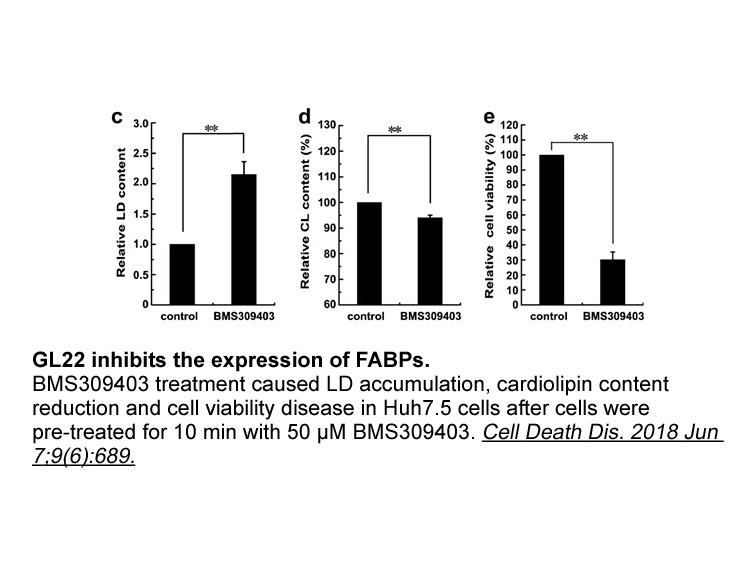
Mammalian YK-4-279 mg have two distinct DNA repair pathways for DSBs, NHEJ and HR. Our data are consistent with the suggestion that the DNA–PK-mediated NHEJ pathway recognizes DSBs faster than the HR pathway and acts before the activation of the DNA damage S-phase checkpoint. The activation of NHEJ
-
The involvement of FOXO and
2021-04-01
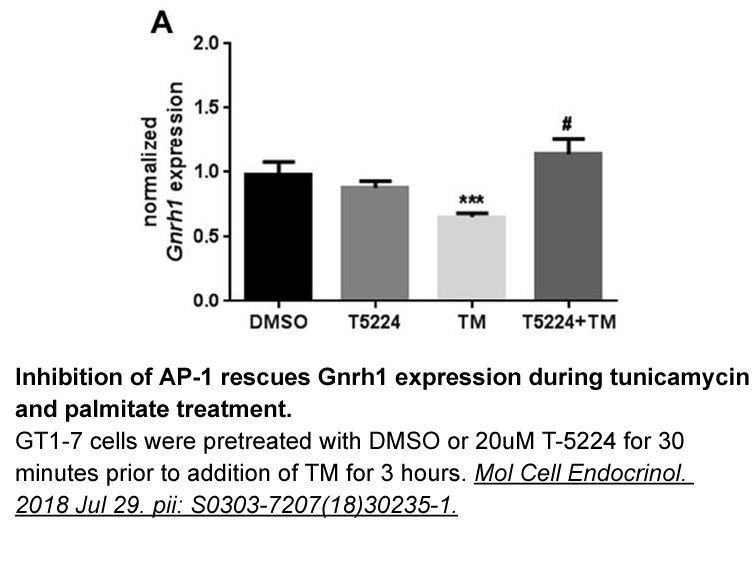
The involvement of FOXO3 and STAT5 in DNA-PKcs and Scriptaid IV has not been reported before, and the search by the ECR browser (http://ecrbrowser.decode.org) revealed that 1kb of the 5′ promoter of DNA-PKcs possesses 4 STAT (−908bp to −901bp, −676bp to −656bp, −533bp to −526bp and −66bp to −59bp)
-
In the pleural exudates which reflect
2021-03-31
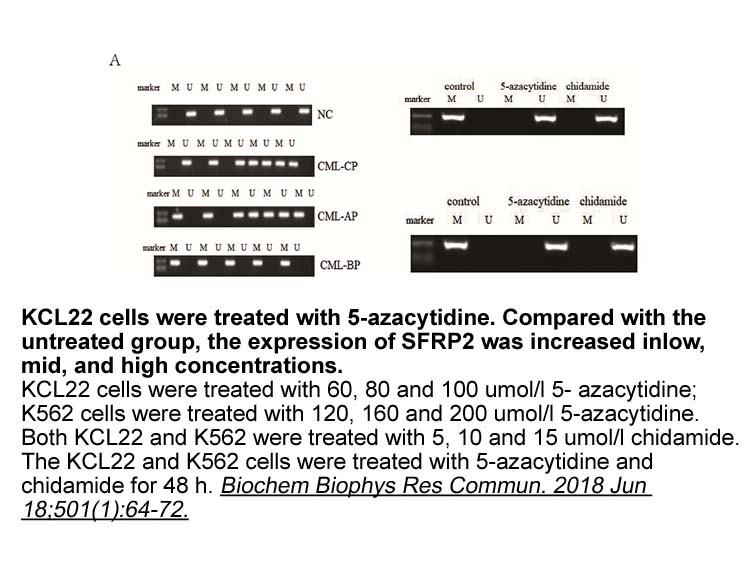
In the pleural exudates, which reflect the in vivo conditions, the concentrations of CysLTs and PGE2 were quite similar. However, when cancer methylergometrine were cultured for 24 h, both analyses of cell culture medium and cell incubations with Ca2+ ionophore showed low levels of CysLTs. In contr
-
Drug drug interactions are frequently attributed to function
2021-03-31
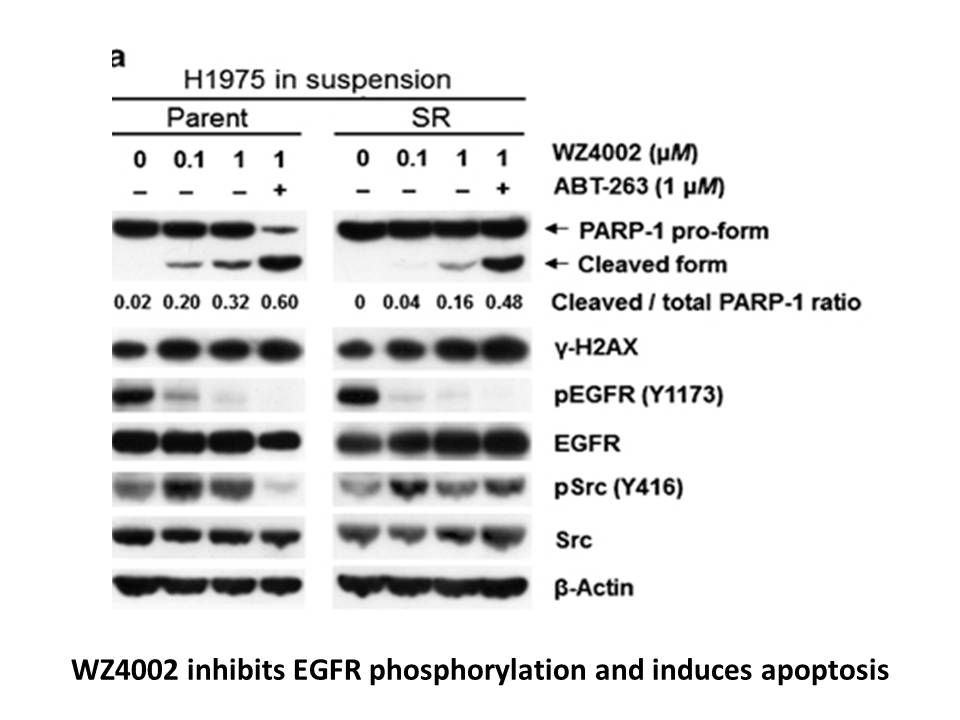
Drug-drug interactions are frequently attributed to functional alterations in CYP enzymes, including inhibition and induction (Chen et al., 2014, Wang et al., 2013). Mechanism-based inhibition is an irreversible form of enzyme inhibition and could form a stable inhibitor-enzyme complex, which is tho
-
br Results br Discussion This study assesses
2021-03-31
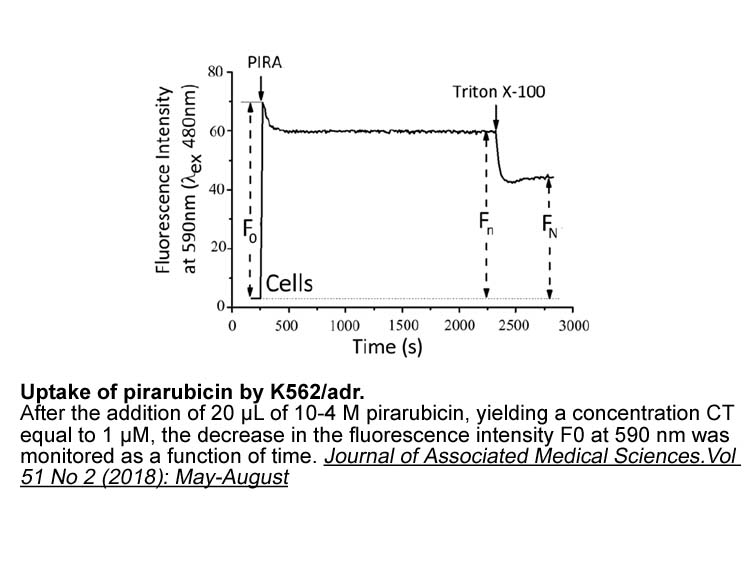
Results Discussion This study assesses impacts of HLA-DPB1 and CMV reactivation on GVHD, relapse, and OS after allo-HSCT. Here we demonstrate that HLA-DPB1 and CMV reactivation both increase aGVHD risk independently. Consistent with reported data, we show that HLA-DPB1 mismatching is associate
-
Through the process of alternative splicing the
2021-03-31
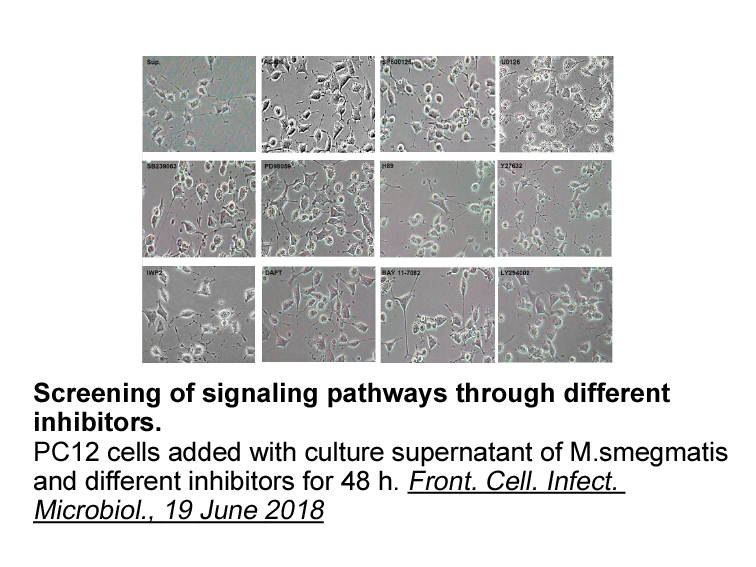
Through the process of alternative splicing, the IKZF1 gene is capable of encoding a large number of Ikaros isoforms (Molnar et al., 1996). Some of these isoforms were shown to have distinct functions (Li et al., 2011, Ronni et al., 2007). Ikaros protein contains four zinc fingers at the N-terminus
-
In summary we have identified a
2021-03-31
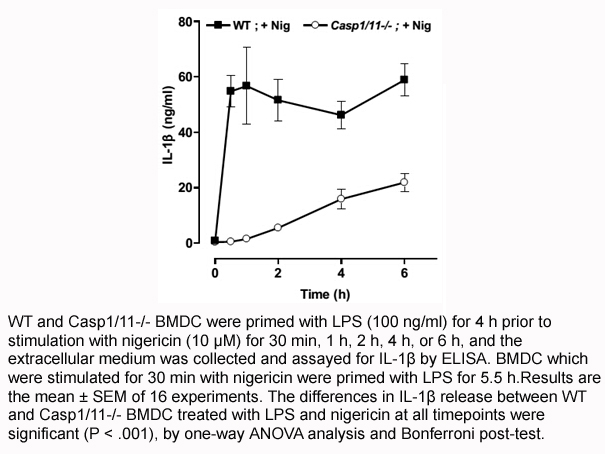
In summary, we have identified a series of amides as ERRγ agonists with suitable potency for further development. Our SAR studies of this chemotype identified SR19881 as the most potent full agonist of ERRγ with an EC=0.39 μM in a binding assay and an EC=4.7 μM in a cell-based assay. SR19881 was als
-
br Materials and methods br Results and discussion br Conclu
2021-03-31
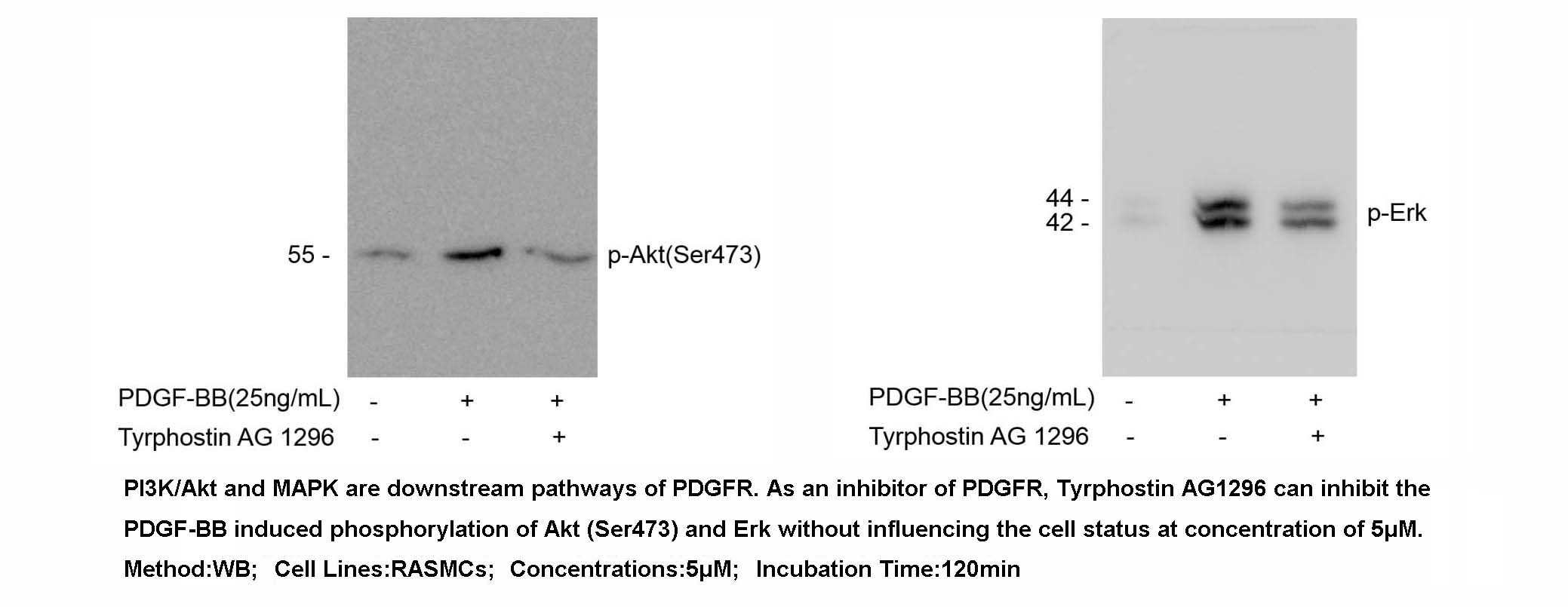
Materials and methods Results and discussion Concluding remarks Enzymatic production of bioactive 9-cis-11-trans-conjugated linoleic sapanisertib is part of a detoxification mechanism against linoleic acid which is a toxic and stress factor for many lactic bacteria such as Lactobacillus pl
-
In our opinion the precise function of AE of
2021-03-31
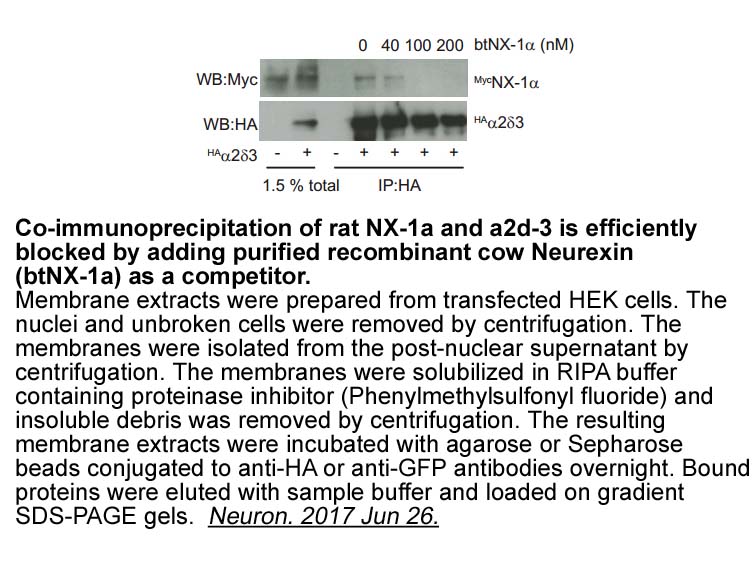
In our opinion, the precise function of AE of S. mansoni (Sm32) remains unclear, and accurate knowledge of the three dimensional structure of this enzyme would be valuable for a better understanding the molecular basis of many of its properties, including its role in the host-parasite interaction, a
-
Next we compared the protease specificity
2021-03-31
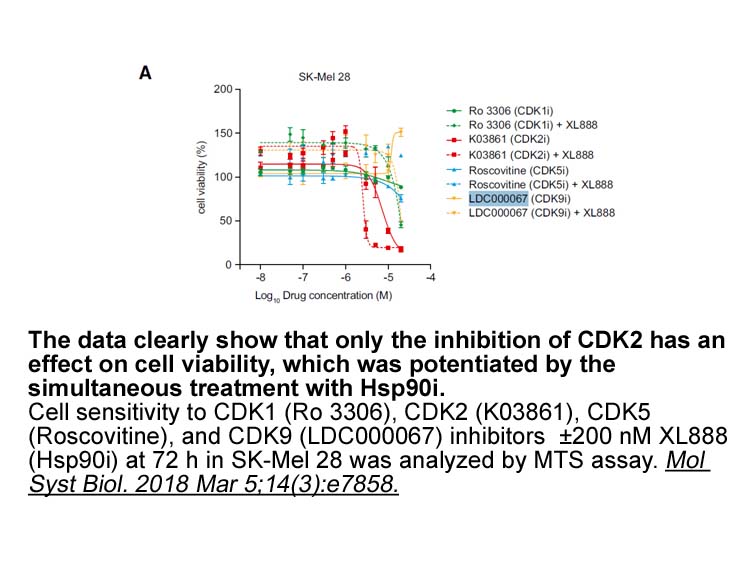
Next, we compared the protease-specificity of viruses NS116-GFP/AE and NS116-GFP/AT for trypsin, neutrophilic elastase or supernatant of human neutrophils. For later purposes, we determined the viral yield in a co-cultivation system of infected Vero Rosiglitazone maleate with human neutrophils. The
-
Pralatrexate sale br Introduction Increasing investigations
2021-03-31
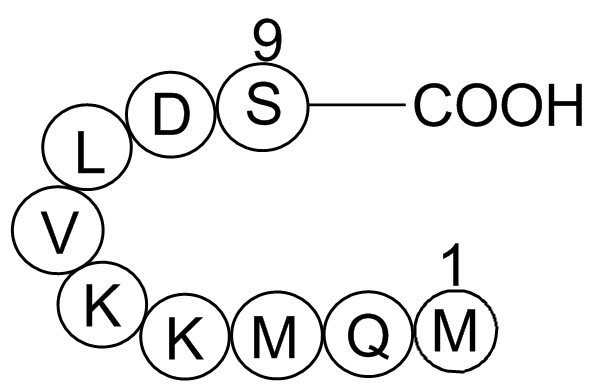
Introduction Increasing investigations show that the earthworm extract has various beneficial pharmacological activities, including fibrinolytic [2] and anticoagulative activity [3], anti-inflammatory activity [4], anti-oxidative activity [5], [6], peripheral nerve regeneration [7], bone regenera
-
From a mechanistic standpoint the BCL RD domain
2021-03-31

From a mechanistic standpoint, the BCL6 RD2 domain represses the GPR183 and S1PR1 loci by recruiting HDAC2, but not MTA3-NuRD, to suppress the enhancer activation mark H3K27ac at their distal regulatory elements. However, these data do not exclude the possibility that other as yet unknown corepresso
-
Support for Cloninger s personality
2021-03-30
Support for Cloninger's personality theory comes also from molecular genetic studies. Given the high heritability of personality it is plausible that gene variants explain variance in RD. In license to endocrine studies, which relate hormone levels mostly in the periphery (blood, saliva, urine) to
16718 records 719/1115 page Previous Next First page 上5页 716717718719720 下5页 Last page