Archives
- 2026-06
- 2026-05
- 2026-04
- 2026-03
- 2026-02
- 2026-01
- 2025-12
- 2025-11
- 2025-10
- 2025-09
- 2025-03
- 2025-02
- 2025-01
- 2024-12
- 2024-11
- 2024-10
- 2024-09
- 2024-08
- 2024-07
- 2024-06
- 2024-05
- 2024-04
- 2024-03
- 2024-02
- 2024-01
- 2023-12
- 2023-11
- 2023-10
- 2023-09
- 2023-08
- 2023-07
- 2023-06
- 2023-05
- 2023-04
- 2023-03
- 2023-02
- 2023-01
- 2022-12
- 2022-11
- 2022-10
- 2022-09
- 2022-08
- 2022-07
- 2022-06
- 2022-05
- 2022-04
- 2022-03
- 2022-02
- 2022-01
- 2021-12
- 2021-11
- 2021-10
- 2021-09
- 2021-08
- 2021-07
- 2021-06
- 2021-05
- 2021-04
- 2021-03
- 2021-02
- 2021-01
- 2020-12
- 2020-11
- 2020-10
- 2020-09
- 2020-08
- 2020-07
- 2020-06
- 2020-05
- 2020-04
- 2020-03
- 2020-02
- 2020-01
- 2019-12
- 2019-11
- 2019-10
- 2019-09
- 2019-08
- 2019-07
- 2019-06
- 2019-05
- 2019-04
- 2018-11
- 2018-10
- 2018-07
-
p as a cyclin dependent
2020-10-10
p21, as a cyclin-dependent kinase inhibitor, exert significant negative regulator of proliferation, and it could be transcriptional upregulated by p53 in order to impel transient novel isoform identification arrest (Romanov et al., 2010). Using western blotting, we found that the protein expression
-
br STAR Methods br Acknowledgments We
2020-10-10
STAR★Methods Acknowledgments We thank the City of Hope core facilities, including the Animal Model Core, Bioinformatic Core, NMR Core, Flow Cytometry Core, and Florescence Microscopy Core for excellent technical support, and NIH grants R01GM086171, R01GM102538, and R01CA212119, R01CA216987, an
-
Both meiotic COs and NCOs require DNA synthesis current
2020-10-10
Both meiotic COs and NCOs require DNA synthesis, current data from sequencing also suggest that COs require more DNA synthesis than NCO 63., 64., 65.. However, analysis of the role of DNA synthesis in NCOs remains relatively uncharacterized. Emerging evidence points to a role for either Polδ or Polε
-
Despite the significant increase in Bdnf mRNA levels
2020-10-10
Despite the significant increase in Bdnf1 mRNA levels after DNMT inhibition, the expression of Bdnf4 and Bdnf9 was unaltered. It is particularly surprising that Bdnf4 is not affected by the DNMT inhibitor, as the promoter of the Bdnf4 exon is known to be susceptible to epigenetic changes (Kotera et
-
br Materials and methods br Results br
2020-10-10
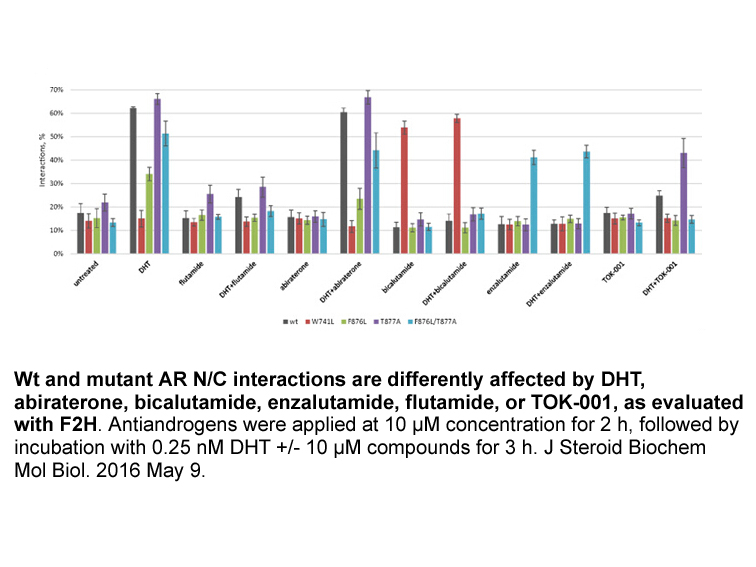
Materials and methods Results Discussion The first DGAT1 gene was described in the mouse in 1998 [28], and a few years later DGAT2 was identified from the oleaginous fungus Mortierella ramanniana[29]. Although both of them are known as the primary enzymes for de novo TAG biosynthesis, they
-
Interestingly genome wide association studies have
2020-10-10
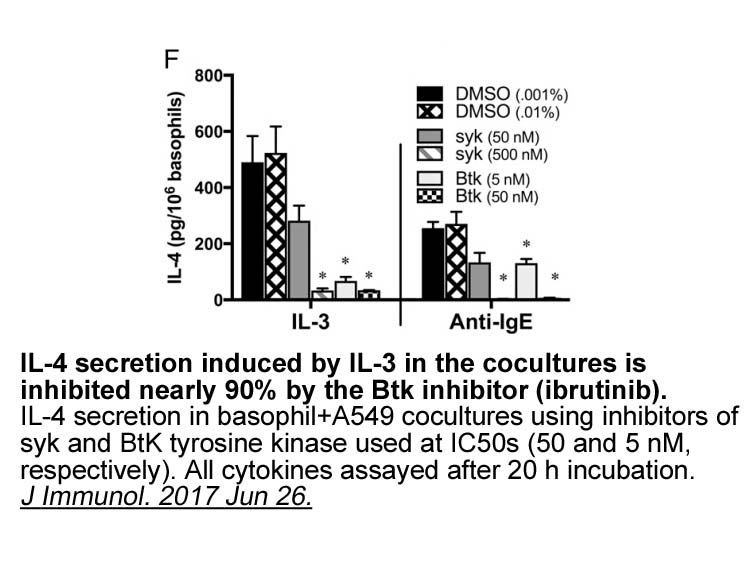
Interestingly, genome-wide association studies have linked the chromosomal region harboring RDHE2 (SDR16C5) and seven other genes to stature and growth in cattle, humans, and pigs [30], [31], [32], [33], [34], [35], [36], [37], and beak deformity in chickens [38]. The most recent study specifically
-
Global inhibition of integrin signaling with EDTA here sugge
2020-10-10
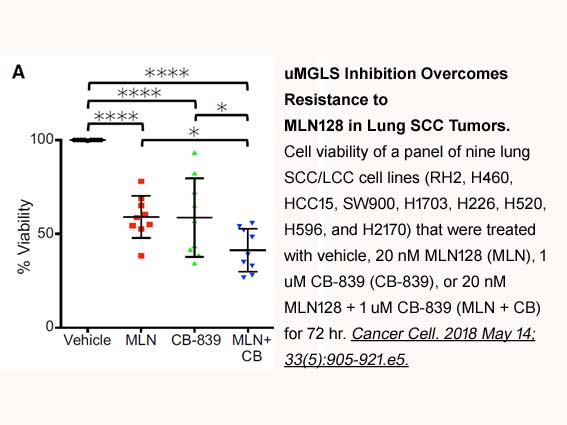
Global inhibition of integrin signaling with EDTA here suggests that integrin signaling potentially cooperates with DDR2 in collagen induction of lysyl oxidase. This notion is supported by a recent study that shows DDR2 cooperation with specific integrins in cell adhesion to collagen [47]. It is of
-
br Signaling of DDR receptor and its regulation
2020-10-10
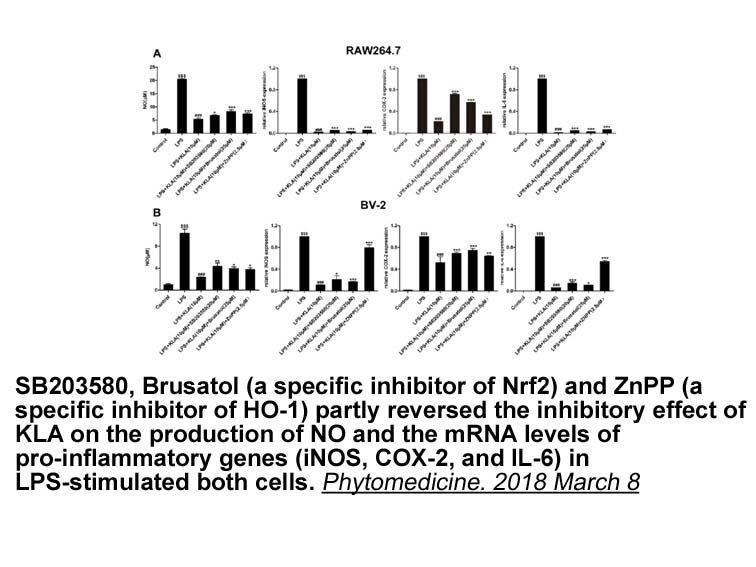
Signaling of DDR2 receptor and its regulation Being the tyrosine kinase receptor, downstream signaling of DDR2 receptor is initiated by phosphorylation of cytoplasmic tyrosine residue upon ligand binding (Type II collagen) but the authentic facts or detail information of tyrosine phosphorylation
-
The second DDR binding partner identified
2020-10-10
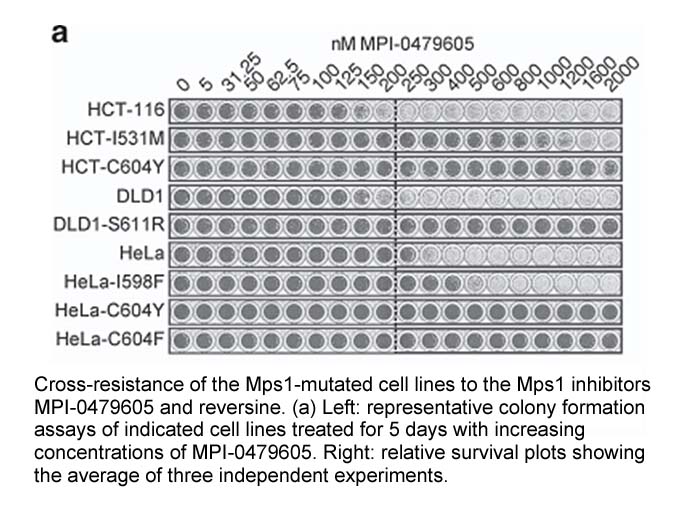
The second DDR1-binding partner identified here, Shp-2, which was not found in the two-hybrid screen but using a bioinformatics approach, is also a mediator of cell migration. Since Shp-2 has two SH2 domains, as well as phosphotyrosine phosphatase enzymatic activity and two C-terminal tyrosines targ
-
Q-VD(OMe)-OPh The early serologic response of infants to inf
2020-10-10
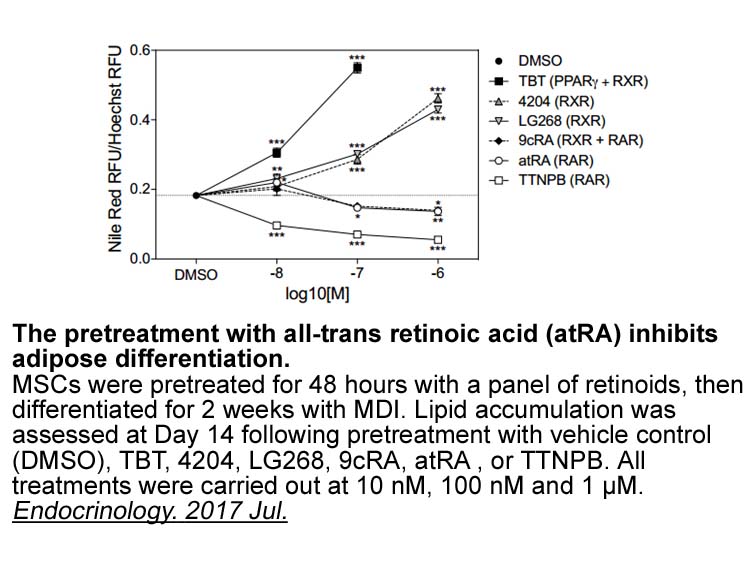
The early serologic response of infants to infection with HIV-1 is obscured by the presence of transplacentally acquired maternal HIV antibody. However, the HIV Q-VD(OMe)-OPh produced in vitro by peripheral blood from infants has been studied (Pollack et al., 1993) and it has been shown that neonat
-
br Materials and methods br Results br Discussion
2020-10-10
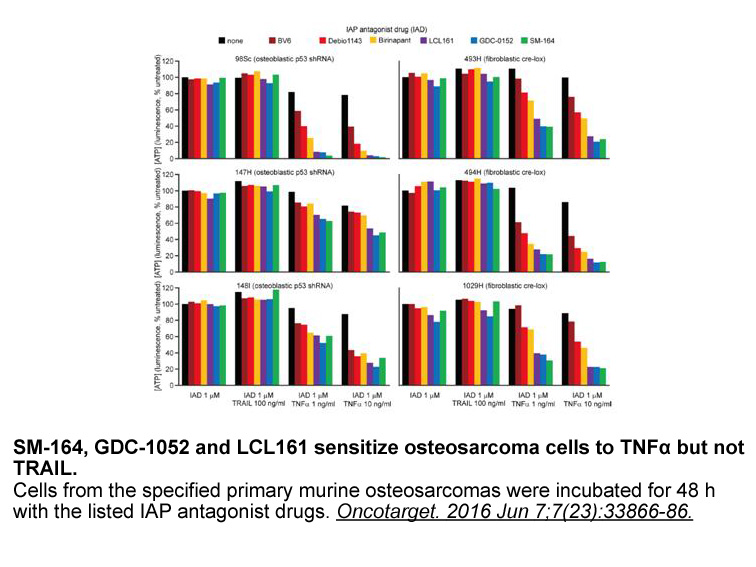
Materials and methods Results Discussion In this study, we investigated two novel candidate therapeutics, the related CRM1-inhibiting SINEs KPT-185 and KPT-276, in treatment of NHL. The results showed that KPT-185 induced growth inhibition, cell-cycle arrest, and apoptosis in tumor DDD10749
-
It is well known that corticotropin releasing
2020-10-10
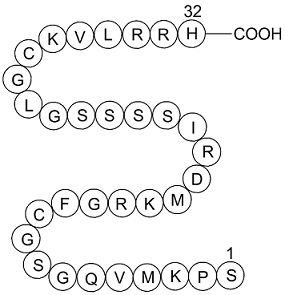
It is well-known that corticotropin-releasing factor (CRF) exerts its biological functions through binding to type-1 (CRF1) and/or type-2 (CRF2) receptors. Several clinical evidences suggest the association of a high level of CRF and the onset of anxiety and depressive disorders.2, 3, 4, 5, 6, 7 Si
-
daminozide Determination of relative potency EC by dose
2020-10-09

Determination of relative potency (EC50) by dose response assays in vitro is subject to the same sources of variability as determination of affinity, since the EC50 and Hill slope of the dose response curve are highly dependent on the binding of ligand to a competing receptor that may be present, an
-
br Conclusions br Acknowledgement Grant support Ministry of
2020-10-09

Conclusions Acknowledgement Grant support: Ministry of Health (n. of grant: RBAP10447J_004 to N. Baldini), Italian Association for Cancer Research (n. of grant: 11426 to N. Baldini). Introduction Ewing sarcomas (ES) and primitive neuroectodermal tumors (PNET) are related childhood tumors.
-
Grapiprant is a selective antagonist for prostaglandin
2020-10-09
Grapiprant () is a selective antagonist for prostaglandin E (PGE) receptor subtype 4 (EP4) identified as a clinical candidate for the treatment of inflammatory pain associated with osteoarthritis (OA). It is currently under development for use in humans and dogs. The projected dosing regimen of grap
16717 records 817/1115 page Previous Next First page 上5页 816817818819820 下5页 Last page